 akash.verma@cenmed.com
 (732) 447-1115

General description
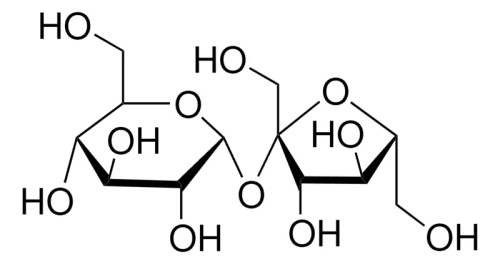
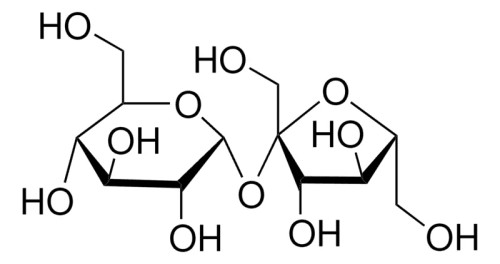
Sucrose, a disaccharide composed of glucose and fructose, serves as an energy source in various biological processes. In cell biology, sucrose acts as a cryoprotectant, preserving cell viability during freezing and thawing. It is also added as a supplement in culture media, aiding in maintaining osmotic balance and enhancing cell survival.In molecular biology, sucrose is crucial in gradient solutions for DNA and RNA purification and in density centrifugation for organelle separation.
Application
Sucrose has been used:
- to perform cryoprotection for kidney tissues
- as a component in the solid germination medium to germinate pollen grains
- in the triphenyl-tetrazolium chloride (TTC) test to check the viability of pollen grains
- in the cryoprotection of fixed brain tissues for immunohistochemistry
Biochem/physiol Actions
Sucrose is used as a transport and storage molecule in most plants due to its limited chemical reactivity. It can be used to prepare density gradients for the separation of cell/organelle. Sucrose can be used in the plant, insect, and bacterial culture media as a supplement. In addition, sucrose can also be used in several enzymatic assays.
Features and Benefits
- Ideal for Molecular Biology, Cell Biology and Biochemical research
- Tested to confirm low levels of heavy metal contamination, ensuring suitability for various applications
- Tested for DNase, RNase, and proteases
- Molecular biology grade sucrose, sourced from sugar cane
Other Notes
To gain a comprehensive understanding of our extensive range of Disaccharides for your research, we encourage you to visit our Carbohydrates Category page.
- UPC:
- 51171911
- Condition:
- New
- HazmatClass:
- No
- MPN:
- S0389-500G
- CAS:
- 57-50-1