 akash.verma@cenmed.com
 (732) 447-1115

General description
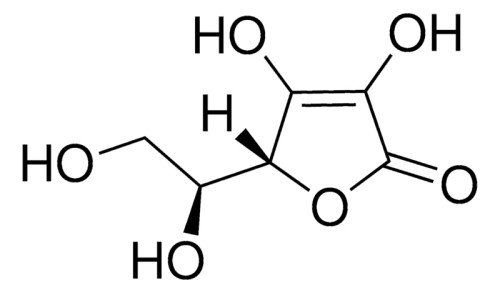
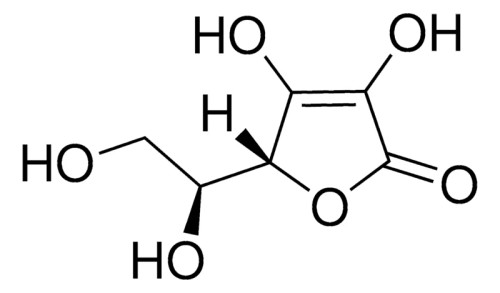
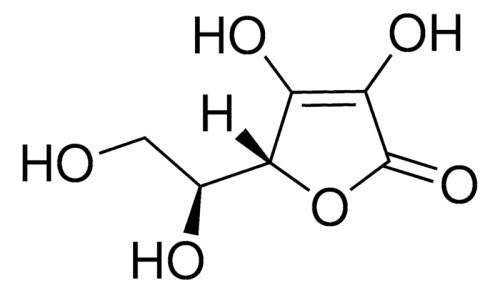
Ascorbic acid is also referred to as Vitamin C. It contains a six-carbon lactone produced by plants and some animal species but not by humans and other primates. Vitamin C is a water-soluble vitamin. Vitamin C is a part of citrus fruits, such as Indian gooseberry, broccoli, strawberries, brussels sprouts.
Application
- L-Ascorbic acid has been used to induce osteoblast differentiation from primary bone marrow cultures.
- It has been used for the differentiation of hCMPCs (human cardiomyocyte progenitor cells) into cardiomyocytes.
- It has been used to measure the mitochondrial electron transport chain (complex IV) activity.
Biochem/physiol Actions
Caution
May darken in storage.
Molecular Weight: 176.12. Empirical Formula: C6H8O6. product line: BioXtra. Quality Level: 200. Assay: ≥. 99.0%. form: crystalline. technique(s): cell culture | mammalian: suitable. impurities: ≤. 0.0005% Phosphorus (P), ≤. 0.1% Insoluble matter. ign. residue: ≤. 0.1%. color: white to off-white. pH: 1.0-2.5 (25 . °C, 176 . g/L in water). mp: 190-194 . °C (dec.). solubility: H2O: 0.5 . M, clear, colorless. anion traces: sulfate (SO42-): ≤. 0.05%. cation traces: Al: ≤. 0.0005%, Ca: ≤. 0.0005%, Cu: ≤. 0.0005%, Fe: ≤. 0.0005%, K: ≤. 0.005%, Mg: ≤. 0.0005%, NH4+: ≤. 0.05%, Na: ≤. 0.005%, Pb: ≤. 0.001%, Zn: ≤. 0.0005%. SMILES string: OC([C@]([C@@H](O)CO)([H])O1): C(O)C1: O. InChI: 1S/C6H8O6/c7-1-2(8)5-3(9)4(10)6(11)12-5/h2,5,7-10H,1H2/t2-,5+/m0/s1. InChI key: CIWBSHSKHKDKBQ-JLAZNSOCSA-N. Gene Information: human ... SLC23A2(9962). Storage Class Code: 11 - Combustible Solids. WGK: WGK 1. Personal Protective Equipment: Eyeshields, Gloves, type N95 (US).- UPC:
- 12162201
- Condition:
- New
- HazmatClass:
- No
- MPN:
- A5960-10MG
- CAS:
- 50-81-7