akash.verma@cenmed.com
 (732) 447-1115
-
 N137206-500mgProduct Describtion:1-Methyl-4-phenylpyridinium (MPP+) induces neurotoxicity by inhibiting mitochondrial redox functions in the striatal synaptosomes. It is a potential neurotoxin and induces Parkinson′s disease in animal models. It mediates
 -
 N137206-25mgProduct Describtion:1-Methyl-4-phenylpyridinium (MPP+) induces neurotoxicity by inhibiting mitochondrial redox functions in the striatal synaptosomes. It is a potential neurotoxin and induces Parkinson′s disease in animal models. It mediates
 -
 N137206-1gProduct Describtion:1-Methyl-4-phenylpyridinium (MPP+) induces neurotoxicity by inhibiting mitochondrial redox functions in the striatal synaptosomes. It is a potential neurotoxin and induces Parkinson′s disease in animal models. It mediates
 -
 N137206-100mgProduct Describtion:1-Methyl-4-phenylpyridinium (MPP+) induces neurotoxicity by inhibiting mitochondrial redox functions in the striatal synaptosomes. It is a potential neurotoxin and induces Parkinson′s disease in animal models. It mediates
 -
-
-
-
-
-
 M423656-1mlProduct Describtion:1-Methyl-4-phenylpyridinium (MPP+) induces neurotoxicity by inhibiting mitochondrial redox functions in the striatal synaptosomes. It is a potential neurotoxin and induces Parkinson′s disease in animal models. It mediates
 -
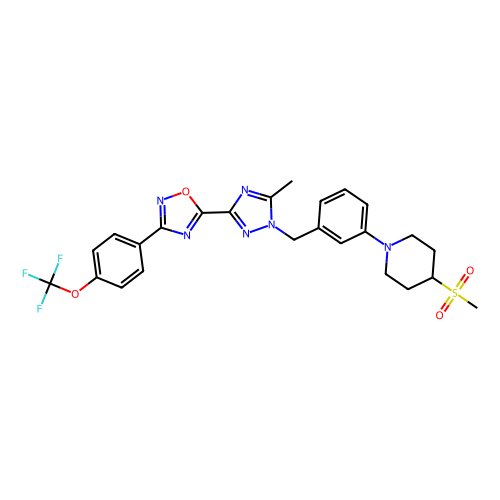 I414142-5mgInformationIACS-010759 (IACS-10759) IACS-010759 (IACS-10759) is a potent and selective oxidative phosphorylation inhibitor (IC50 <: 10 nM) that blocks cellular respiration through inhibition of complex I.Targetsoxidative phosphorylation 10 nMIn
 -
 I414142-50mgInformationIACS-010759 (IACS-10759) IACS-010759 (IACS-10759) is a potent and selective oxidative phosphorylation inhibitor (IC50 <: 10 nM) that blocks cellular respiration through inhibition of complex I.Targetsoxidative phosphorylation 10 nMIn