akash.verma@cenmed.com
 (732) 447-1115
-
-
-
-
-
 C288366-5mgInterleukin-2-inducible T-cell kinase (ITK) inhibitor (IC50 values are 0.1, 0.4 and 5 μM for ITK, BTK and ETK, respectively). Inhibits growth of cancer cells expressing ITK, including MOLT-4 and Jurkat cells in vitro. Induces apoptosis in Jurkat
 -
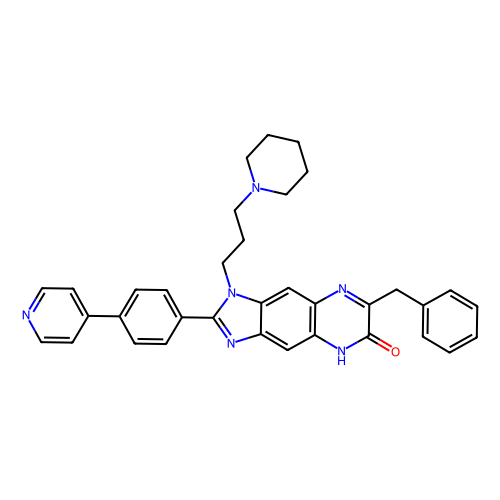 C288366-2mgInterleukin-2-inducible T-cell kinase (ITK) inhibitor (IC50 values are 0.1, 0.4 and 5 μM for ITK, BTK and ETK, respectively). Inhibits growth of cancer cells expressing ITK, including MOLT-4 and Jurkat cells in vitro. Induces apoptosis in Jurkat
 -
 C288366-25mgInterleukin-2-inducible T-cell kinase (ITK) inhibitor (IC50 values are 0.1, 0.4 and 5 μM for ITK, BTK and ETK, respectively). Inhibits growth of cancer cells expressing ITK, including MOLT-4 and Jurkat cells in vitro. Induces apoptosis in Jurkat
 -
 C288366-10mgInterleukin-2-inducible T-cell kinase (ITK) inhibitor (IC50 values are 0.1, 0.4 and 5 μM for ITK, BTK and ETK, respectively). Inhibits growth of cancer cells expressing ITK, including MOLT-4 and Jurkat cells in vitro. Induces apoptosis in Jurkat
 -
 164114K-10MGApplication MAPTrix ™ Technology provides a true extracellular microenvironment (ECM) by presenting combinatorial peptide motifs. The ECM, defined by biochemical cues and physical cues, is a deciding factor in a wide range of cellular
 -
 164112K-2.5MGApplication MAPTrix ™ Technology provides a true extracellular microenvironment (ECM) by presenting combinatorial peptide motifs. The ECM, defined by biochemical cues and physical cues, is a deciding factor in a wide range of cellular
 -
-