akash.verma@cenmed.com
 (732) 447-1115
-
 A412602-1mgInformationAT-001 (Aldose reductase-IN-1) is an aldose reductase inhibitor with IC50 of 28.9 pM.
 -
 A412602-10mgInformationAT-001 (Aldose reductase-IN-1) is an aldose reductase inhibitor with IC50 of 28.9 pM.
 -
 A412170-5mgATH686 is a potent, selective and ATP-competitive FLT3 inhibitor. ATH686 target mutant FLT3 protein kinase activity and inhibit the proliferation of cells harboring FLT3 mutants via induction of apoptosis and cell cycle inhibition. ATH686 has
 -
 A412170-25mgATH686 is a potent, selective and ATP-competitive FLT3 inhibitor. ATH686 target mutant FLT3 protein kinase activity and inhibit the proliferation of cells harboring FLT3 mutants via induction of apoptosis and cell cycle inhibition. ATH686 has
 -
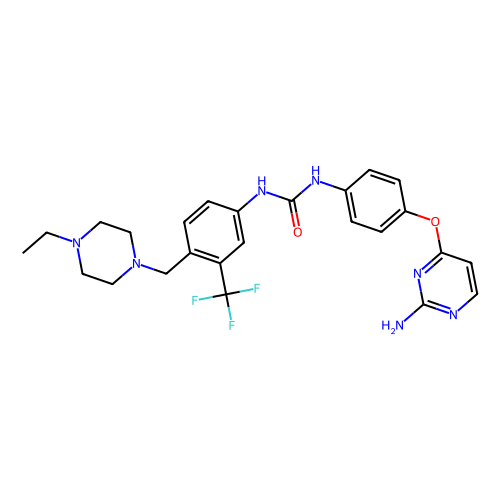 A412170-1mgATH686 is a potent, selective and ATP-competitive FLT3 inhibitor. ATH686 target mutant FLT3 protein kinase activity and inhibit the proliferation of cells harboring FLT3 mutants via induction of apoptosis and cell cycle inhibition. ATH686 has
 -
 A412170-10mgATH686 is a potent, selective and ATP-competitive FLT3 inhibitor. ATH686 target mutant FLT3 protein kinase activity and inhibit the proliferation of cells harboring FLT3 mutants via induction of apoptosis and cell cycle inhibition. ATH686 has
 -
-
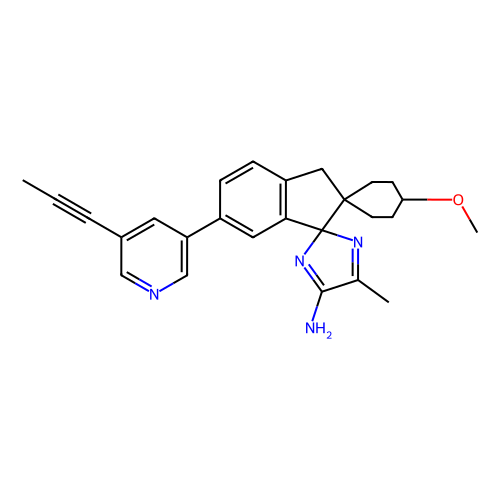 A276027-5mgProduct Describtion:Lanabecestat (AZD3293) is a highly permeable, orally active and blood-brain barrier penetrating BACE1 inhibitor (Ki: 0.4 nM).
 -
 F9307-1MGApplication FSL Constructs Video Protocol All FSL constructs disperse in biocompatible media and spontaneously and stably incorporate into cell membranes. Cells modified with KODE constructs are known as kodecytes and usually maintain their normal
 -
 1446837-20MGThis product is provided as delivered and specified by the issuing Pharmacopoeia. All information provided in support of this product, including SDS and any product information leaflets have been developed and issued under the Authority of the
 -
 14-935Product Source: N-terminal 6His-tagged, recombinant, human GRK1 full length, expressed by baculovirus in Sf21 insect cells Retina-specific kinase involved in the signal turnoff via phosphorylation of rhodopsin (RHO), the G protein- coupled receptor
 -
 14-932Product Source: C-terminal 6His-tagged, recombinant, human SNRK amino acids 1-505 expressed by baculovirus in Sf21 insect cells SNF-related serine/threonine-protein kinase may play a role in hematopoietic cell proliferation or differentiation. It