akash.verma@cenmed.com
 (732) 447-1115
-
 O412290-10mgInformationOSU-T315 analog (ILK-IN-1) is an inhibitor of Integrin-linked kinase (ILK) with IC50 of 0.6 μM which inhibits PI3K/AKT signaling by dephosphorylation of AKT-Ser473 and other ILK targets (GSK-3β and myosin light chain). OSU-T315 causes
 -
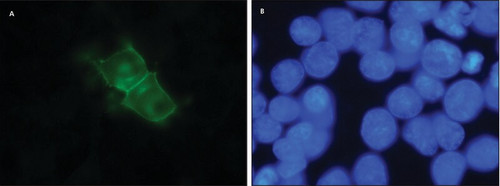 D2944-100ULMonoclonal Anti-D1 Dopamine Receptor (rat IgG2a isotype) is derived from the rat hybridoma 1-1-F11 S.E6 produced by the fusion of mouse myeloma cells and splenocytes from rat immunized with recombinant fusion protein containing the C-terminal 97
 -
 D9542-5MGDAPI (4′,6-Diamidino-2-phenylindole dihydrochloride) is a cell permeable, fluorescent dye that binds to DNA. Application DAPI is several times more sensitive than ethidium bromide for staining DNA in agarose gels.
 -
 D9542-50MGDAPI (4′,6-Diamidino-2-phenylindole dihydrochloride) is a cell permeable, fluorescent dye that binds to DNA. Application DAPI is several times more sensitive than ethidium bromide for staining DNA in agarose gels.
 -
 D9542-1MGDAPI (4′,6-Diamidino-2-phenylindole dihydrochloride) is a cell permeable, fluorescent dye that binds to DNA. Application DAPI is several times more sensitive than ethidium bromide for staining DNA in agarose gels.
 -
 D9542-10MGDAPI (4′,6-Diamidino-2-phenylindole dihydrochloride) is a cell permeable, fluorescent dye that binds to DNA. Application DAPI is several times more sensitive than ethidium bromide for staining DNA in agarose gels.
 -
 10236276001Application DAPI is a fluorescent dye that binds selectively to double-stranded DNA and forms strongly fluorescent DNA-DAPI complexes with high specificity. It is commonly used to detect mycoplasma in cell culture via fluorescence microscopy.
 -
-
-
-
-
 PCX120PCB CONTROL DIGITAL - LPD Spare Parts, Spare Parts Cold Storage